Whiskey Font: A Practical Evaluation for Modern Designers
In the vast landscape of digital typography, selecting the right typeface is often less about finding the "best" font and more about finding the right voice for a specific context. While geometric sans-serifs and rigid serifs dominate the world of corporate documentation and user interfaces, there is a persistent demand for typefaces that convey warmth, authenticity, and a human touch. Whiskey, a sweet and friendly handwritten font, positions itself as a solution for this exact need. This article provides a balanced analysis of the Whiskey typeface, exploring its distinct characteristics, ideal use cases, and the trade-offs designers should consider when integrating it into their workflow.
Defining the Whiskey Aesthetic: What Makes It Distinct?
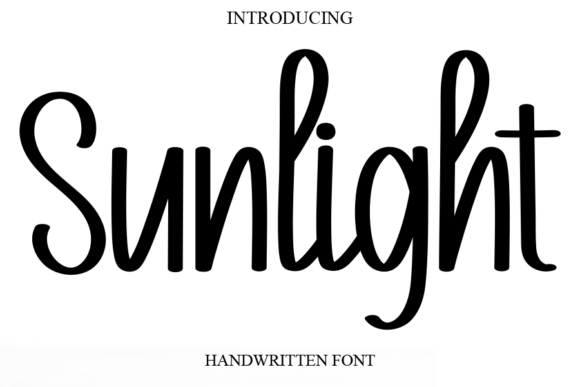
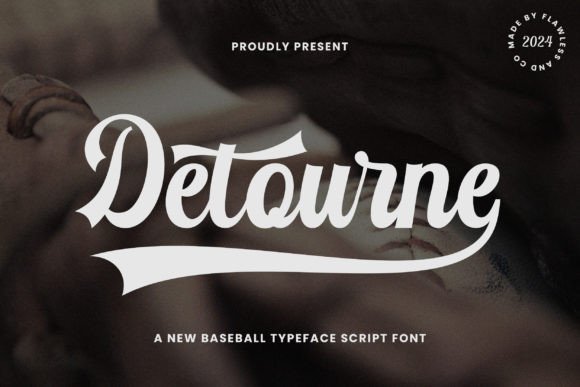
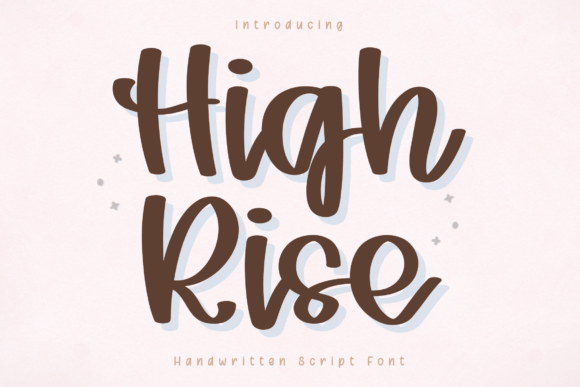
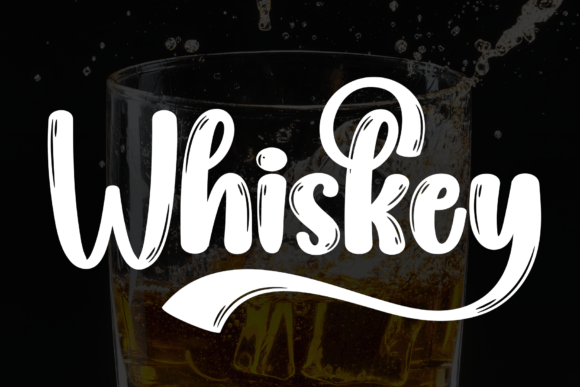
At its core, Whiskey is categorized as a script or handwritten font, but that broad classification does little to distinguish it from the thousands of other options available. What sets Whiskey apart is its specific execution of "sweetness" and "friendliness." Unlike aggressive brush scripts that mimic street art or chaotic grunge fonts that emulate distress, Whiskey maintains a soft, approachable demeanor. The letterforms exhibit a natural flow, suggesting the organic irregularity of a pen on paper rather than the mathematical perfection of vector construction.
The "uniqueness" of Whiskey lies in its versatility within the casual genre. It avoids being overly childish, which allows it to appeal to adults, yet it avoids the stiffness of calligraphy, which can sometimes feel too formal or archaic. For a designer evaluating options, Whiskey represents a middle ground: it is legible enough for short-form communication but stylistic enough to serve as a focal point in a design composition. Its natural style implies that it was likely drawn with attention to baseline variation and stroke contrast, mimicking the slight imperfections of human handwriting that make text feel personal and relatable.
Contextual Fit: Where Whiskey Excels
Understanding the strengths of Whiskey requires an analysis of context. A font does not exist in a vacuum; its effectiveness is determined by the medium and the message. Whiskey is particularly well-suited for designs that aim to establish an emotional connection with the viewer. This includes lifestyle branding, wedding stationery, artisanal product packaging, and social media graphics intended to feel conversational rather than corporate.
When comparing Whiskey to other typographic approaches, such as rigid sans-serifs, the difference in tone is immediate. A sans-serif like Helvetica or Arial conveys neutrality and efficiency, making it ideal for technical manuals or highway signage. Whiskey, conversely, conveys personality and creativity. It is the right choice when the goal is to break down barriers between the brand and the consumer. For example, a boutique coffee shop might use Whiskey on their menu to suggest a cozy, handcrafted atmosphere, whereas a bank would likely avoid it to maintain a sense of security and seriousness.
Evaluating Strengths and Trade-offs
The primary strength of Whiskey is its visual appeal and the immediate mood it sets. It can instantly elevate a plain layout by adding a layer of texture and personality. However, this stylistic strength comes with inherent trade-offs, primarily regarding legibility and scalability.
- Readability at Scale: Handwritten fonts like Whiskey often struggle when used for body text. The distinct letterforms that look charming in a headline can become visually noisy and difficult to decipher when reduced to 10 or 12 points for long paragraphs. Therefore, Whiskey is best reserved for headers, logos, or short calls to action.
- Screen vs. Print: While Whiskey may render beautifully in print on textured paper, digital screens can sometimes struggle with the anti-aliasing of script fonts, potentially leading to blurriness on low-resolution displays.
Navigating Alternatives and Categories
When researching typography, it is helpful to understand where Whiskey sits relative to alternatives. The market for handwritten fonts is saturated, ranging from "dry" marker styles to "wet" ink styles.
If a designer finds that Whiskey is slightly too "sweet" or rounded for their needs, they might explore alternatives that offer more edge. For instance, a brush script alternative might provide more dramatic stroke contrast, lending a sense of urgency or artistic flair. Conversely, if Whiskey feels too informal, a semi-connected script or a slab serif might offer better legibility while retaining some warmth.
The decision factors usually revolve around three specific attributes:
- Connectivity: Do the letters connect? Whiskey likely features flowing connections that mimic cursive, whereas other handwritten fonts might be "printing" styles where letters stand alone.
- Baseline Regularity: Highly stylized scripts may have letters that jump up and down erratically. Whiskey’s "friendly" description suggests a more controlled, albeit natural, baseline, making it easier to read.
- Weight and Opacity: Does the font feel heavy or light? A heavier weight might be better for logos, while a lighter weight suits elegant invitations.
Practical Application: Decision Making for Designers
For the adult professional—whether a freelancer, a marketing manager, or a DIY enthusiast—choosing Whiskey involves a practical checklist. It is not enough to simply like the font; one must ensure it serves the project's goals.
When to Choose Whiskey
Whiskey is likely the right choice when the design requirement explicitly calls for "approachability." If the project involves a brand identity for a lifestyle product, a blog header, or a greeting card, Whiskey fits naturally. It works exceptionally well when paired with a clean, geometric sans-serif. This contrast allows the Whiskey font to shine as the "voice" of the design while the sans-serif handles the heavy lifting of information delivery.
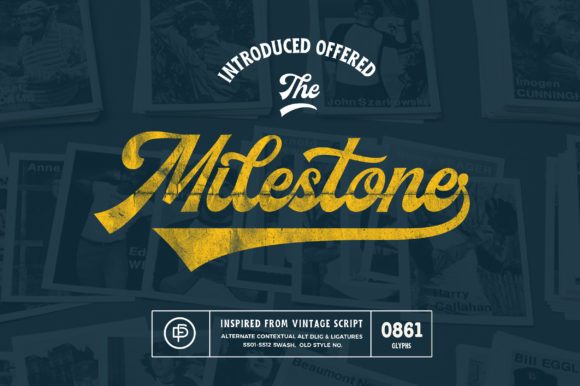
Furthermore, Whiskey is an excellent resource for "badge" style logos or vintage-inspired layouts. Its natural style complements earth tones, pastels, and textured backgrounds. It can bridge the gap between a rustic aesthetic and a modern, clean layout.
When to Reconsider
There are clear scenarios where Whiskey should be set aside. If the design is intended for a global audience requiring high translation compatibility, handwritten scripts can be problematic as they often lack the extensive character sets required for multiple languages. Additionally, if the primary viewing environment is a small mobile screen with low contrast, the intricate loops and swashes of a script font may hinder user experience.
In professional settings where authority and neutrality are paramount—such as legal documents, academic papers, or B2B corporate reports—Whiskey would undermine the credibility of the content. In these cases, sticking to traditional Serif or Sans-Serif families is the safer, more professional route.
Conclusion
Whiskey is a specific tool for a specific job. It is not a universal solution for all typographic needs, but within its niche, it excels. Its value lies in its ability to inject warmth, personality, and a human element into digital and print designs. By understanding its strengths in branding and social contexts, and acknowledging its limitations in long-form text and rigid corporate environments, designers can make an informed decision. Ultimately, the choice to use Whiskey should be driven by the desire to create a connection with the audience, transforming standard text into a visual experience that feels personal and engaging.