Winky Swing: A Strategic Approach to Handwritten Typography
Understanding the Core Value of a Handwritten Font
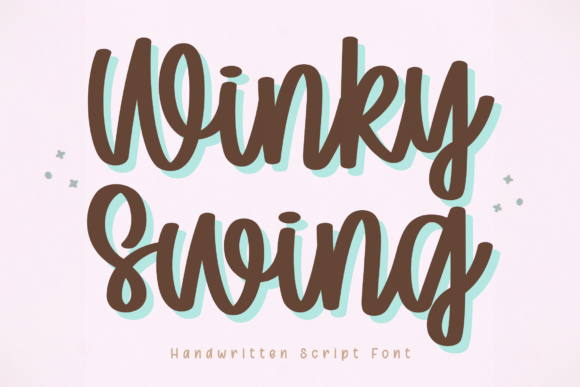
In a digital landscape saturated with rigid geometric sans-serifs and formal serifs, the decision to use a handwritten font is a significant strategic choice. Winky Swing is not merely a typeface; it is a specific communication tool designed to bridge the gap between digital precision and human warmth. As a playful and lively handwritten script, it utilizes smooth, flowing strokes and slightly bouncy letterforms to inject personality into content. However, for the discerning professional—whether a marketer, educator, or small business owner—the choice to implement Winky Swing must go beyond aesthetic preference. It requires an understanding of how visual tone influences audience perception and decision-making.
The primary utility of Winky Swing lies in its ability to simulate a natural handwritten feel while maintaining the structural integrity required for modern manufacturing and digital display. Unlike chaotic or overly artistic scripts that sacrifice legibility for style, this font is crafted for clarity. This balance makes it a strategic asset for those who need to convey friendliness and approachability without appearing unprofessional. When you select Winky Swing, you are choosing a voice that speaks of creativity and accessibility, positioning your brand or project as one that values personal connection.
Aligning Typography with Brand Goals
Typography is a silent ambassador for your brand. The decision to use Winky Swing should be rooted in your brand’s positioning strategy. If your goal is to appear authoritative, institutional, or highly technical, a handwritten script may undermine your credibility. However, if your strategy involves positioning yourself as a creative disruptor, a friendly educator, or a lifestyle brand that prioritizes community, Winky Swing becomes a powerful tool. It helps lower the psychological barrier between the creator and the consumer, making interactions feel more personal and less transactional.
For entrepreneurs and freelancers, this font can be instrumental in differentiating personal brands. In a market where many default to safe, corporate typefaces, using Winky Swing in headers or accent text can signal that you are approachable and hands-on. It suggests that there is a real person behind the screen who cares about the details. This is particularly effective for coaches, therapists, boutique shop owners, and educators who rely on trust and rapport to drive business results.
The Psychology of "Friendly" Design
The bouncy baseline and smooth curves of Winky Swing trigger specific psychological associations. Rounded letterforms are generally perceived as friendlier and safer than sharp, angular ones. This subtle visual cue can support your customer experience goals by making your content feel welcoming. When used in customer-facing materials—such as welcome emails, onboarding documents, or thank-you notes—Winky Swing can enhance the perceived warmth of the interaction, potentially increasing customer loyalty and satisfaction.
From Digital Planners to Physical Products
One of the most pragmatic advantages of Winky Swing is its versatility across mediums. For creators involved in Cricut cutting projects, the font’s clean structure is a critical operational benefit. Many intricate scripts fail when translated into physical cuts, resulting in torn paper or jagged vinyl. Winky Swing is designed with smooth strokes that ensure reliable cutting paths, saving time and reducing material waste. This operational efficiency is just as important as the visual outcome.
In the realm of digital planning and content creation, Winky Swing offers a solution for the "digital fatigue" many users experience. By incorporating this font into digital planners, social media graphics, or presentation slides, you can break the monotony of standard text. It provides a visual texture that mimics the experience of journaling or sketching, which can make digital content feel more organic and engaging. For bloggers and publishers, using Winky Swing for pull quotes or section headers can draw the reader's eye and emphasize key takeaways without resorting to aggressive formatting.
Operational Efficiency in Design Workflows
For professionals managing tight deadlines, the reliability of a font matters. Because Winky Swing maintains readability even at smaller sizes or in dynamic formats, it reduces the need for constant adjustments. You can apply it to social media templates or branding kits with confidence that the message will be received clearly. This supports a more efficient creative workflow, allowing you to focus on strategy and content rather than troubleshooting typographic legibility issues.
Contextual Awareness
The effectiveness of Winky Swing depends heavily on context. It is a tool, not a universal solution. Before implementing it, consider the specific goals of the project. Is the objective to drive sales for a high-end luxury item? If so, Winky Swing might be too casual. Is the goal to announce a community workshop or a new line of artisanal goods? In that case, the font is likely an excellent fit. Strategic decision-making involves matching the tool to the task. Winky Swing excels in scenarios where the desired outcome is connection, engagement, or a sense of fun.
It is also wise to consider the medium of consumption. While Winky Swing is optimized for screens and cutting machines, always test it in the specific environment where it will be viewed. A font that looks perfect in a design software preview might behave differently on a low-resolution screen or a textured physical product. Conducting small-scale tests before a full rollout is a prudent part of the planning process.
Avoiding the Pitfalls of Overuse
A common mistake in creative design is the overuse of a stylistic font. Using Winky Swing for large blocks of body text can lead to visual fatigue and actually reduce readability, defeating its purpose. The strategic approach is to use it as an accent or highlight. Pair Winky Swing with a clean, neutral sans-serif for body copy. This contrast creates a visual hierarchy that guides the reader’s eye, making the handwritten elements pop without overwhelming the message. This thoughtful pairing ensures that the font enhances the design rather than dominating it.
Building a Cohesive Visual Identity
Consistency is the cornerstone of effective branding. When you integrate Winky Swing into your visual identity, do so with a long-term perspective. Define specific rules for its use: perhaps it is reserved exclusively for social media call-to-actions, or maybe it is the primary font for all internal communications to foster a specific team culture. By codifying how and when Winky Swing is used, you create a recognizable style that reinforces your brand message over time. This consistency helps build trust with your audience, as they begin to associate the visual style with your unique value proposition.
Supporting Creativity and Learning
For educators and content creators focused on learning, Winky Swing can be a tool to soften the presentation of complex information. Educational materials that feel too rigid can sometimes intimidate learners. By using a friendly script like Winky Swing for headers or encouragement notes within course materials, you can create a more supportive learning environment. This strategic use of typography supports the pedagogical goal of reducing anxiety and increasing engagement, leading to better learning outcomes.
Ultimately, Winky Swing