Starlake - Retro Script: A Strategic Guide to Intentional Vintage Typography
In the digital marketplace, attention is the most valuable currency, and visual identity is often the first transaction. While trends in graphic design fluctuate between minimalist sans-serifs and complex geometric forms, there remains a steadfast demand for warmth, personality, and nostalgia. This is where Starlake - Retro Script enters the conversation. It is not merely a typeface; it is a design asset that bridges the gap between mid-century aesthetics and contemporary functionality. For entrepreneurs, marketers, and creators, understanding how to leverage this specific font can be a pivotal step in refining a brand’s narrative and achieving specific market positioning goals.
Defining the Asset: More Than Just a Font
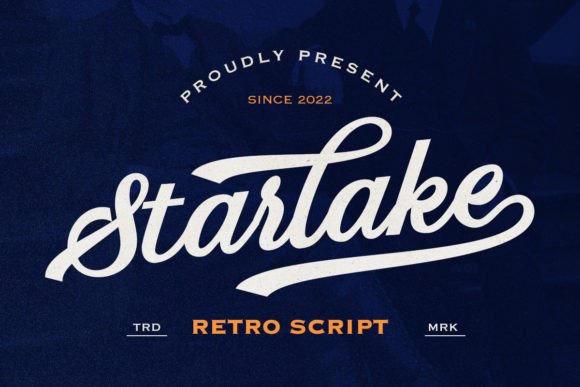
At its core, Starlake - Retro Script is a calligraphic typeface designed to evoke the optimism and flair of the mid-20th century. However, to view it simply as "old-fashioned" would be a strategic error. The font is engineered with a "bunch of alternates"—variations of specific letters that allow for custom-looking typography without the need for hand-lettering. This feature is critical for maintaining visual interest and avoiding the repetitive look that often plagues digital script fonts.
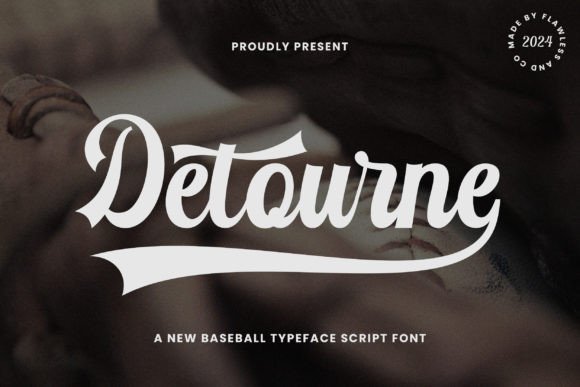
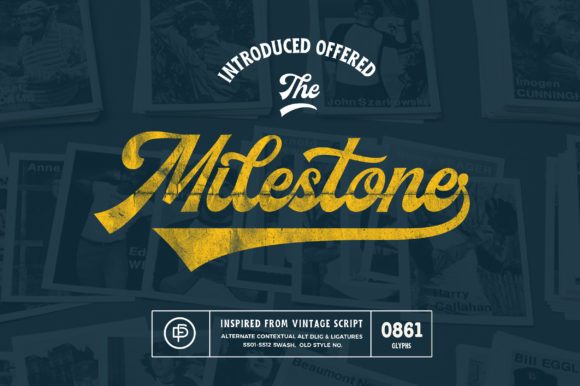
The defining characteristic of Starlake is its ending swash. This decorative extension of the final letter in a word acts as a visual anchor, supporting the retro vibes while guiding the viewer's eye. For a user, this means that Starlake - Retro Script offers a level of sophistication that suggests a high-end, bespoke service, even when applied rapidly in a digital workflow. It supports multilingual characters, ensuring that a brand’s voice remains consistent across different markets and languages, a vital consideration for global scalability.
Strategic Application: Aligning Typography with Business Goals
The decision to use a specific typeface should always be rooted in a strategic objective. Starlake - Retro Script is particularly effective when the goal is to establish trust through familiarity or to differentiate a product from the cold, clinical look of modern tech. It is an asset that speaks to heritage, craftsmanship, and approachability.
Branding and Logo Design
For small business owners and startups, the logo is the cornerstone of the brand identity. Using Starlake - Retro Script in logo design can instantly communicate a specific set of values. If your business model relies on artisanal quality, hand-made goods, or a "classic" approach to service (such as a barbershop, a craft brewery, or a boutique bakery), this font provides the immediate visual shorthand for those concepts. The alternates allow you to customize the logo mark so that it feels unique to the business, preventing the "template" look that can erode consumer trust.
Merchandise and Apparel
In the apparel industry, typography often drives sales. A powerful phrase rendered in a stylish script can turn a simple t-shirt into a statement piece. Starlake - Retro Script excels here because of its readability and stylistic flair. The ending swash adds a dynamic element that works well on curved surfaces like mugs or fitted caps. When planning a merchandise line, consider how the font interacts with the fabric and print method. Its thickness and flow are generally well-suited for screen printing and embroidery, provided the alternates are chosen to maintain legibility at smaller scales.
Operational Efficiency and Decision Making
One of the most practical aspects of adopting Starlake - Retro Script is the efficiency it brings to the creative process. Hiring a calligrapher for every project is cost-prohibitive for most freelancers and agencies. A high-quality script font with extensive alternates bridges this gap. It allows for rapid prototyping and iteration.
When approaching a design project, decision-makers should view Starlake as a tool for solving specific communication problems. Ask yourself: Does my message need to feel urgent, or does it need to feel timeless? If the answer is timeless, this font is a strong candidate. However, relying on it without a clear context can be risky. Using a retro script for a serious financial institution or a cutting-edge cyber-security firm might confuse the audience and undermine the brand's authority. The font must match the industry's "vibe" to be effective.
Implementation: Practical Tips for Better Results
To get the most out of Starlake - Retro Script, you must move beyond simply typing out words. The value lies in the details.
- Contextual Awareness: Use the font for headlines, sub-headlines, or call-to-action buttons. Avoid using it for long blocks of body copy, as script fonts can cause eye strain over extended reading periods. This ensures the user experience remains positive while the aesthetic remains retro.
- Color Psychology: Retro designs often rely on specific color palettes. When using Starlake, consider pairing it with muted earth tones or pastel colors to fully realize the vintage aesthetic. High-contrast neon colors might clash with the organic flow of the script.
- Utilizing Alternates: Do not settle for the default setting. Take the time to toggle through the alternate characters for letters like 'S', 'R', 'M', and 'E'. Swapping these out can prevent awkward collisions between letters and create a more natural, handwritten flow. This small step significantly elevates the perceived quality of the design.
- Multilingual Consistency: For brands operating in international markets, leverage the multilingual support. Ensure that if you are translating a slogan into French, Spanish, or German, the special characters (accents and umlauts) match the stylistic quality of the English version. Consistency here builds global brand equity.
Long-Term Value and Brand Positioning
Typography trends come and go, but the "retro" category has proven to be remarkably resilient. It is less of a fleeting trend and more of a recurring cycle of appreciation for the past. By incorporating Starlake - Retro Script into a brand guide, you are investing in a style that has historical staying power. It avoids the "dated" look of 2010s web design (like heavy drop shadows or skeuomorphism) while still feeling grounded.
For the professional or educator, this font can be used to soften the delivery of information. Educational materials or marketing collateral that feel too rigid can sometimes alienate the audience. A touch of Starlake in the headers can make the content feel more accessible and less intimidating, fostering a better connection with the reader.
Conclusion
Ultimately, Starlake - Retro Script is a versatile tool in the modern designer's arsenal. It offers a bridge between the charm of the past and the demands of the present. Whether you are designing a logo for a new startup, creating merchandise for a loyal following, or crafting a marketing campaign that needs a touch of personality, this font provides the stylistic foundation. By using it intentionally—matching it to the right goals, utilizing its alternates, and respecting its visual weight—you can ensure that your projects look not just stylish and stunning, but strategically sound.