Rustic Portrait: Crafting Authenticity in Design
There is a distinct feeling that arises when a design feels genuinely human. It’s not just about the visual layout; it is about the texture, the slight imperfections, and the warmth that digital precision often filters out. In a landscape saturated with sleek, geometric sans-serifs and flawless vector lines, there is a growing hunger for typography that feels grounded. This is where Rustic Portrait enters the conversation. It is not merely a font; it is a hand-lettered serif family designed to bridge the gap between digital convenience and the tactile charm of artisanal craftsmanship.
The Anatomy of Rustic Typography
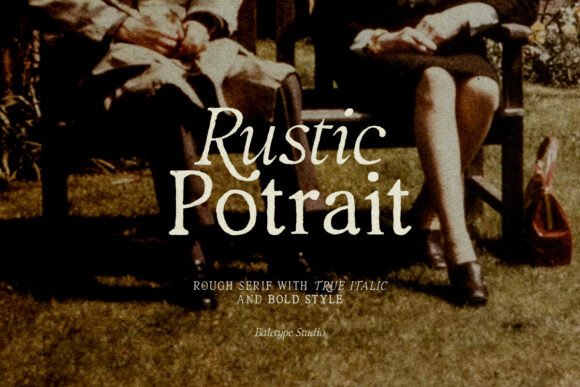
Understanding what makes Rustic Portrait effective requires looking at its design DNA. Unlike traditional serifs that rely on sharp, manufactured edges, this family captures a natural, textured appearance. The strokes are slightly rough, mimicking the resistance of a brush or a pen on textured paper. This subtle irregularity is the font's greatest strength. It prevents the text from looking sterile, injecting a sense of authenticity that is immediately recognizable to the viewer.
The family offers four distinct styles: Regular, Italic, Bold, and Bold Italic. This range is crucial for hierarchy and versatility. You can use the Regular for body text to maintain readability while utilizing the Bold for impactful headlines that demand attention. The Italic style often carries a more fluid, handwritten quality, making it perfect for quotes, annotations, or adding a personal touch to specific phrases.
Strategic Applications for Creators
Choosing a typeface is a strategic decision, not just an aesthetic one. The style of Rustic Portrait sends specific psychological cues to your audience: warmth, tradition, reliability, and a human touch. Here is how different professionals can leverage this font family to meet specific goals.
Branding and Packaging
For small business owners and entrepreneurs, particularly those in the food, beverage, or lifestyle sectors, packaging is the first handshake with the customer. Rustic Portrait is an excellent choice for brands that want to signal "homemade," "organic," or "small-batch" quality.
- Coffee Roasters and Breweries: Use the Bold style for the brand name on the bag or bottle. The textured edges of the letters mimic the raw ingredients and the brewing process.
- Artisanal Bakeries: Pair the Italic style with a minimalist logo to add a touch of elegance without losing the cozy, welcoming vibe.
- Skincare and Wellness: When selling natural products, the typography needs to reflect the ingredients. The organic nature of this font reinforces the promise of purity.
Editorial and Blogging
Bloggers and educators often struggle to make digital text feel engaging. Long blocks of standard web fonts can feel clinical. By incorporating Rustic Portrait into your headers or pull quotes, you break the monotony. It signals to the reader that the content they are about to consume is thoughtful and curated. For food bloggers, this font is particularly effective for recipe titles, evoking the comfort of a family cookbook.
Digital Marketing and Social Media
In the fast-scrolling environment of social media, stopping the thumb is the primary goal. Graphics that look too "corporate" are often ignored. Rustic Portrait helps create visuals that feel like they came from a real person, not a marketing department. It works exceptionally well for:
- Inspirational Quote Cards: The hand-lettered feel makes quotes feel more personal and less generic.
- Announcement Banners: For small events or sales, the font adds a friendly, inviting tone.
- Thumbnail Text: On platforms like YouTube or Pinterest, the bold weight ensures readability while adding stylistic flair.
Maintaining Clarity and Hierarchy
While Rustic Portrait brings immense character, it requires a thoughtful approach to maintain readability, especially in longer paragraphs. The "rough" texture that makes it charming can become noisy if used at very small sizes or in dense blocks of text.
Practical Tip: Use Rustic Portrait primarily for display text—headlines, sub-headers, and call-to-action buttons. For body copy, pair it with a clean, neutral sans-serif or a simple serif font. This contrast allows the rustic font to shine without overwhelming the reader. For example, a headline in Rustic Portrait Bold followed by a paragraph in Open Sans creates a balanced, professional layout that still feels warm.
Adapting to Different Contexts
The versatility of this font family allows it to adapt to various moods depending on the color palette and surrounding design elements.
- The Modern Rustic: Combine Rustic Portrait with a stark black-and-white color scheme and plenty of negative space. This creates a high-end, boutique aesthetic that feels contemporary yet grounded.
- The Vintage Farmhouse: Pair the font with earthy tones—olive greens, burnt oranges, and creams. This evokes a sense of nostalgia and tradition, ideal for heritage brands or wedding invitations.
- The Energetic Artisan: Use the font with vibrant, bold colors. Because the font has a "hand-made" feel, it softens the intensity of bright colors, making them feel playful rather than aggressive.
Technical Considerations
One of the often-overlooked benefits of a professional font family like Rustic Portrait is its technical reliability. Despite its "rough" appearance, the font is built with clean vectors, ensuring it scales beautifully from a small icon on a business card to a massive banner on a storefront window. Furthermore, with multilingual support, it is a safe choice for global brands that need to maintain their visual identity across different languages and regions.
Conclusion: Designing with Soul
In an era of automation, the value of the human touch cannot be overstated. Rustic Portrait offers a practical way to infuse that humanity into digital projects. It reminds us that design is not just about conveying information; it is about conveying feeling. Whether you are a freelancer looking to refresh your portfolio, a marketer aiming to build deeper connections with an audience, or a hobbyist creating a family newsletter, this font provides the tools to create work that is not only seen but felt. It is a reminder that in the world of design, imperfection is often the key to connection.