Amstrong and Amstrong: Crafting Timeless Elegance in Your Design Projects
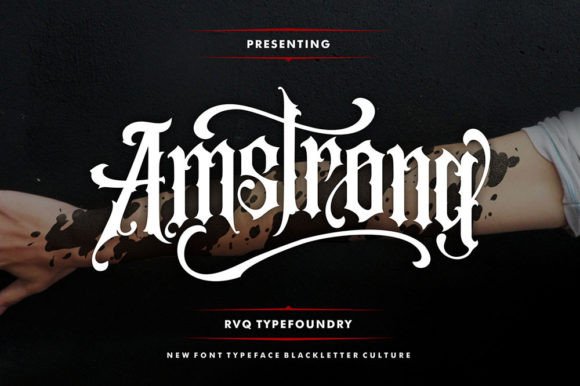
Finding a typeface that feels both timeless and fresh can be a real challenge. You want something with character, something that tells a story without saying a word. That’s where Amstrong and Amstrong enters the conversation. It’s more than just a font; it’s a design tool built to evoke a specific, sophisticated mood. Think of it as the typographic equivalent of a perfectly tailored vintage suit—classic, sharp, and full of personality.
The Art of Mixing: Creating Your Unique Signature
What makes Amstrong and Amstrong particularly versatile is its thoughtful character set. It’s designed not just to be used, but to be played with. The real magic happens when you start mixing the uppercase and lowercase letters. This isn't about following rigid rules; it's about creating a rhythm and flow that feels organic and intentional.
Imagine you're designing a logo for a boutique coffee roaster. By setting the brand name with a strong uppercase initial followed by elegant lowercase letters, you immediately establish a tone that is both authoritative and approachable. Now, take it a step further. The included alternative glyphs and swashes are your secret weapon. Swapping a standard 'A' for one with a subtle flourish can transform a simple wordmark into a memorable emblem. This process of mixing and matching allows you to create a truly bespoke look, ensuring your project doesn't just use a font—it embodies a style.
Where Does This Typeface Truly Shine?
The Amstrong and Amstrong typeface isn't a one-size-fits-all solution, and that's its strength. Its vintage elegance makes it a perfect fit for specific contexts where atmosphere and brand identity are paramount.
Branding and Identity
For businesses that trade on heritage, craftsmanship, or luxury, this font is a natural choice. Picture it on the menu of a speakeasy-inspired cocktail bar, the packaging for a small-batch artisanal gin, or the branding for a high-end tailor. Its classy feel communicates quality and attention to detail before the customer even reads the copy. It’s particularly effective for brands targeting an audience that appreciates authenticity and style over fleeting trends.
Editorial and Publishing
Think about the masthead of a sophisticated lifestyle magazine or the chapter headings in a hardcover book about architecture or history. Amstrong and Amstrong provides a beautiful contrast to clean, modern body text (like a sans-serif such as Montserrat or Lato). It draws the eye, sets a distinguished tone for the content that follows, and adds a layer of visual richness to the reading experience. It’s the kind of detail that makes a publication feel considered and premium.
Event Stationery and Special Occasions
Weddings, milestone anniversaries, and formal galas all demand a certain level of decorum in their printed materials. This is where Amstrong and Amstrong feels right at home. Its elegant swashes and ligatures can make a wedding invitation feel truly special and personal. The ability to access all its decorative elements easily means you can craft stationery that feels custom-designed, adding a memorable touch to life's biggest celebrations.
Digital Presence with a Classic Twist
While it has vintage roots, Amstrong and Amstrong can be used effectively in digital design. A website for a historic bed-and-breakfast, a digital portfolio for a photographer specializing in film, or the hero text on a landing page for a vintage car dealership can all benefit from its distinctive personality. The key is to use it strategically for headlines and pull quotes, pairing it with a highly readable font for longer paragraphs to ensure a good user experience.
Practical Considerations Before You Dive In
While Amstrong and Amstrong is a powerful tool, it’s worth thinking through a few things to get the most out of it.
- Context is King: Its strong vintage personality might not align with a brand that needs to project ultra-modern, minimalist, or corporate neutrality. It has a distinct voice, so make sure it’s singing the right song for your project.
- Readability at Scale: Like many decorative typefaces, its detailed letterforms are best suited for larger sizes, such as titles, logos, and headers. For body text, especially on screens, pairing it with a simpler, highly legible font is essential for maintaining readability.
- Embrace the Alternates: The real value is unlocked when you use the alternative glyphs. Don’t just install it and use the default set. Take the time to explore the character map. Because it is PUA encoded, you can access every swash and stylistic alternate effortlessly in most design software, from Adobe Illustrator to Canva. This is what elevates your work from simply using a font to truly designing with it.
Who Benefits Most from This Approach?
Different creators will find different value in Amstrong and Amstrong.
Graphic Designers will appreciate it as a go-to for client projects requiring a nostalgic or upscale aesthetic. It’s a problem-solver for branding briefs that call for "classic with a twist."
Small Business Owners, especially those in the food, beverage, fashion, or lifestyle sectors, can use it to build a cohesive and compelling brand identity that stands out in a crowded market.
Event Planners and Individuals can use it to add a professional, polished, and personal touch to invitations, programs, and signage, making occasions feel more curated and special.
Bloggers and Content Creators in niches like vintage fashion, interior design, or gourmet cooking can use it for their logo, Pinterest graphics, or video titles to reinforce their unique style and attract a like-minded audience.
In the end, Amstrong and Amstrong is about giving your projects a voice steeped in elegance and history. It’s a typeface that invites you to experiment, to mix and match, and to confidently add a touch of timeless class. When used thoughtfully, the results can indeed be something that leaves you—and your audience—speechless.