Retro Graffiti: Capturing Urban Nostalgia in Digital Typography
The visual language of street art has long transcended the concrete walls of the city, finding a prominent place in modern digital design. Among the tools available to designers seeking to evoke this raw, energetic aesthetic, Retro Graffiti stands out as a distinct typeface. It is not merely a collection of letters; it is a bold, chunky display font that playfully evokes the iconic look and style of classic graffiti. For those working on urban, casual, or nostalgic projects, understanding the nuances of this specific style is crucial. This guide explores the characteristics, applications, and comparative landscape of using a font like Retro Graffiti, helping you determine if it is the right asset for your creative toolkit.
The Visual Anatomy of Retro Graffiti
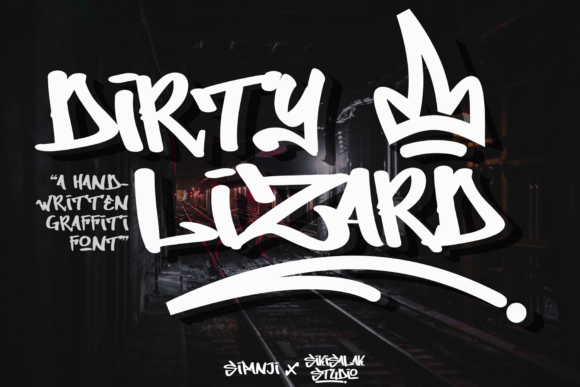
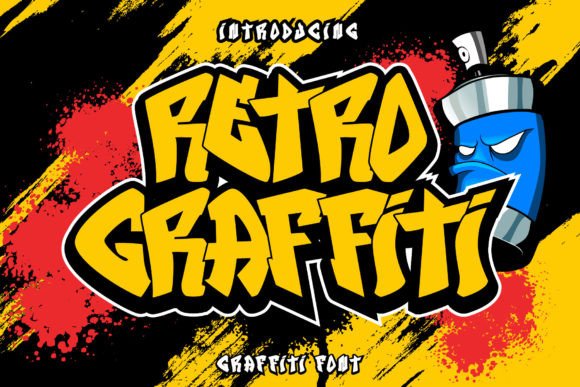
To appreciate the utility of Retro Graffiti, one must first understand its design philosophy. Unlike minimalist sans-serifs or elegant serifs, this font prioritizes impact and personality. Its defining features are rooted in the "Wildstyle" and bubble-letter traditions of 1970s and 80s street art, yet it retains enough legibility to function in commercial contexts.
Weight and Structure
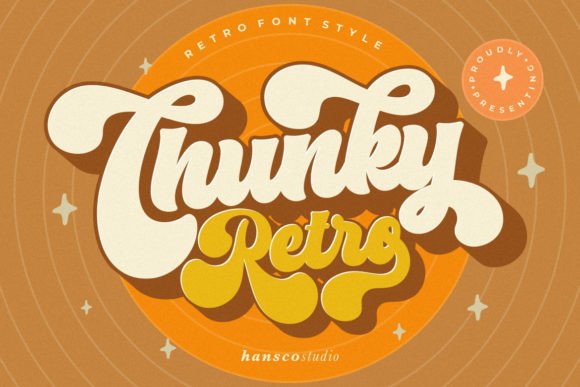
The most immediate characteristic of Retro Graffiti is its heavy weight. The letterforms are "chunky," meaning they occupy significant visual real estate. This density creates an inherent sense of stability and boldness. The strokes are generally uniform in width, avoiding the calligraphic thinning found in script fonts. This structural integrity ensures that the text remains readable even when applied to complex backgrounds, such as textured brick walls or noisy urban photography.
The "Retro" Element
The term "retro" in typography usually implies a callback to a specific era. In the context of Retro Graffiti, this refers to the golden age of hip-hop culture and New York subway art. The font often features slightly rounded edges to mimic the bleeding of spray paint, or sharp, geometric cuts that reference the blocky styles used by early writers. This nostalgic quality is a powerful tool for designers aiming to evoke a sense of authenticity and history rather than modern, digital perfection.
Evaluating Fit: When to Choose Retro Graffiti
Selecting a font is a decision about voice and tone. Retro Graffiti speaks a specific language: one of rebellion, youth culture, energy, and informality. However, it is not a universal solution. Evaluating its fit requires a realistic look at your project's goals.
Ideal Use Cases
Retro Graffiti excels in environments where high-impact headlines are necessary. It is particularly effective for:
- Event Branding: Music festivals, streetwear pop-ups, skateboarding competitions, and urban art exhibitions benefit from the font's high-energy vibe.
- Product Packaging: For items targeting a younger demographic, such as energy drinks, snack foods, or casual apparel, the chunky letterforms create immediate shelf appeal.
- Editorial Design: Magazine headers and zine covers can use Retro Graffiti to set a thematic tone instantly, signaling content that is edgy or counter-cultural.
Scenarios Requiring Caution
Conversely, there are situations where Retro Graffiti may be inappropriate. Its distinct style can clash with corporate professionalism. It is generally unsuitable for:
- Body Copy: The decorative nature of the font makes long-form reading difficult and exhausting for the eyes.
- Formal Communications: Legal documents, medical information, or high-culture luxury branding often require a sense of neutrality and sophistication that graffiti styles inherently lack.
- Small Scale Details: Because the letterforms are complex and bold, reducing them to very small sizes (like footnotes or fine print) often results in a loss of definition and legibility.
Comparative Analysis: Graffiti vs. Other Display Styles
When looking for a display font, designers are often faced with a choice between several distinct categories. Understanding where Retro Graffiti sits relative to these alternatives is key to making an informed decision.
Graffiti vs. Classic Scripts
While both graffiti and script fonts can feel personal and handwritten, their execution differs vastly. Scripts, particularly calligraphic ones, suggest elegance, tradition, and fluidity. Retro Graffiti, however, suggests movement, grit, and street-level authenticity. If a project requires a "grunge" or "raw" aesthetic, a script font will likely feel too polished. Retro Graffiti offers the irregularity and weight that scripts typically lack.
Graffiti vs. Geometric Sans-Serifs
Geometric sans-serifs (like Futura or Avant Garde) share the blocky, structured feel of some graffiti styles. However, they lack the personality and "human touch." Retro Graffiti introduces texture and artistic flair that a geometric sans-serif strips away. For a tech startup, a sans-serif is safer; for a music label or a creative agency, Retro Graffiti offers a distinct competitive advantage in visual identity.
Graffiti vs. Modern "Clean" Typography
Current design trends often favor minimalism and whitespace. Retro Graffiti operates in the opposite direction, filling space with visual noise and energy. This is a tradeoff. You gain attention and emotional resonance, but you sacrifice the "breathing room" of modern design. The decision here depends on whether the brand voice is "quiet confidence" or "loud expression."
Practical Application and Design Considerations
Integrating a font like Retro Graffiti into a design system requires more than just typing out words. Its visual weight and style demand careful handling to avoid overwhelming the viewer.
Color and Contrast
Because Retro Graffiti is bold, it pairs well with high-contrast color schemes. Bright neons against dark, matte backgrounds (reminiscent of night-time cityscapes) can enhance the retro vibe. Alternatively, using a single, solid color for the font can help ground it if the background is busy. Avoid using multiple colors within the font itself unless you are specifically mimicking a mural style, as this can quickly make the design look cluttered.
Pairing with Supporting Typefaces
No design should rely on a single font for all communication. Retro Graffiti requires a supporting typeface for secondary information. A practical approach is to pair it with a clean, legible sans-serif. For example, use Retro Graffiti for the main headline, and a font like Open Sans or Roboto for the sub-headlines and body text. This creates a hierarchy that allows the graffiti style to shine without sacrificing the readability of the core message.
Spacing and Layout
Due to its "chunky" nature, Retro Graffiti often benefits from tight kerning (letter spacing). This helps the letters interlock, creating a solid mass of text that feels like a unified graphic element. However, care must be taken not to let letters overlap to the point of illegibility. In layout, give the font room to breathe; placing it too close to the edge of a frame or other graphic elements can make the design feel claustrophobic.
Technical Considerations and File Formats
When sourcing Retro Graffiti or similar fonts, the technical specifications matter. Most modern implementations are available in OpenType (OTF) or TrueType (TTF) formats. For web use, Web Open Font Format (WOFF) is standard.
One specific feature to look for in a quality graffiti font file is the presence of alternates or ligatures. Because graffiti is an art form, repetition is often undesirable. High-quality versions of Retro Graffiti may include different versions of common letters (like 'a', 'e', or 's') that can be swapped out to create a more hand-painted, organic look. Checking for these features before purchasing or downloading ensures you have the flexibility to customize the text later.
Conclusion: Is Retro Graffiti the Right Choice?
Ultimately, Retro Graffiti is a specialized tool. It is not a replacement for standard corporate fonts, nor is it a catch-all for every "fun" project. It is a deliberate stylistic choice that communicates a specific set of values: nostalgia, urban culture, boldness, and artistic expression.
If your goal is to capture the spirit of the streets, evoke a sense of playful rebellion, or create a visual identity that stands out in a sea of minimalism, Retro Graffiti is a compelling option. By understanding its strengths—its visual weight, its nostalgic appeal, and its high-impact nature—and balancing them with practical considerations like legibility and pairing, you can effectively harness the power of this font to elevate your designs. As with any design asset, the success lies not just in the tool itself, but in the context and care with which it is applied.