Dirty Lizard Graffiti: A Strategic Tool for Bold Brand Communication
In a marketplace saturated with clean, minimalist typography, capturing attention requires a deliberate departure from the norm. Dirty Lizard Graffiti is a display font designed for exactly this purpose. It is not merely a collection of letters; it is a stylistic statement rooted in the raw energy of street art. For designers, entrepreneurs, and marketers, understanding how to deploy a font like Dirty Lizard Graffiti is a strategic decision that can significantly impact audience perception and brand positioning.
Understanding the Anatomy of Dirty Lizard Graffiti
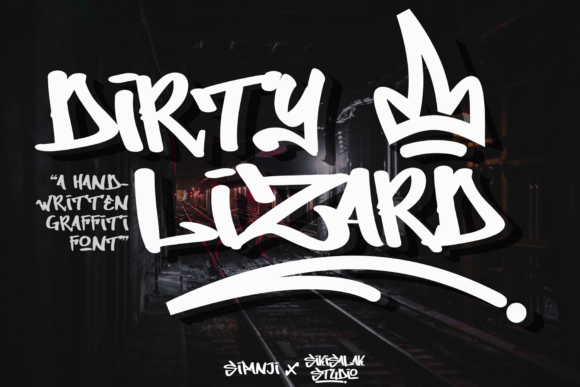
At its core, Dirty Lizard Graffiti is a typeface characterized by its hand-sprayed aesthetic, irregular edges, and dynamic flow. Unlike traditional serif or sans-serif fonts that prioritize uniformity and legibility at small sizes, this font prioritizes attitude and impact. The "dirty" aspect implies a texture that feels authentic and unfinished, while the "lizard" element suggests something organic and adaptable. When you choose Dirty Lizard Graffiti, you are selecting a voice that speaks of creativity, rebellion, and individuality. It is designed to function as a display face, meaning its strength lies in headlines, logos, and short bursts of text where visual weight is more important than paragraph readability.
Strategic Alignment: When to Deploy This Typeface
The decision to use a specialized font like Dirty Lizard Graffiti should never be arbitrary. It must align with specific project goals and the psychological expectations of your target audience. This font is a powerful asset when the objective is to disrupt the status quo or appeal to a younger, culturally aware demographic.
Targeting the Right Demographic
For audiences aged 20 to 50, particularly those involved in creative industries, urban culture, or youth-oriented products, Dirty Lizard Graffiti serves as an immediate visual hook. If your brand operates in the skateboarding, music, streetwear, or modern art sectors, this font communicates that you understand the culture. Conversely, using it for a corporate law firm or a medical practice might create a disconnect, signaling a lack of professionalism. Strategic planning involves assessing whether your audience values tradition or innovation, and Dirty Lizard Graffiti firmly plants your flag in the latter.
Project-Specific Applications
The versatility of Dirty Lizard Graffiti allows it to elevate a wide range of design projects, but its application must be thoughtful. Consider the following use cases:
- Branding and Logos: A startup looking to establish a distinct identity can use Dirty Lizard Graffiti to create a logo that is memorable and difficult to ignore. It suggests a brand that is energetic and unafraid to take risks.
- Event Invitations: For events such as album launches, gallery openings, or themed parties, this font sets the tone immediately. It tells the invitee that the event will be unconventional and lively.
- Merchandise and Apparel: On t-shirts, hoodies, and hats, Dirty Lizard Graffiti functions as art in itself. It transforms a simple garment into a statement piece.
- Digital Content Headers: Bloggers and content creators can use this font for post titles to break the monotony of standard web typography, increasing click-through rates by standing out in a feed.
Intentional Implementation: The Art of Restraint
One of the most common pitfalls in design is the overuse of expressive elements. Dirty Lizard Graffiti is potent, and like a strong spice, it can ruin the dish if used excessively. The goal is to use it as a focal point, not as the body text. If you attempt to write paragraphs using Dirty Lizard Graffiti, you will sacrifice legibility, frustrating your user and undermining your message.
Pairing and Contrast
To maximize the effectiveness of Dirty Lizard Graffiti, pair it with a neutral, highly legible typeface. A clean sans-serif font like Helvetica, Roboto, or Open Sans works well as a companion. This contrast creates a visual hierarchy that guides the viewer's eye. The graffiti font grabs attention, and the clean font delivers the detailed information. This pairing strategy demonstrates design maturity and ensures that the use of Dirty Lizard Graffiti enhances rather than hinders the user experience.
Color and Texture Considerations
The "dirty" texture of the font implies a certain grittiness that can clash with overly polished or pastel environments. When planning your design, consider high-contrast color palettes. Neon greens, stark whites, or deep blacks often complement the aesthetic of Dirty Lizard Graffiti. Furthermore, consider the background. Placing this font over a concrete texture or a grunge paper background can amplify its authenticity, whereas placing it over a sterile corporate gradient might look disjointed.
Avoiding the Pitfalls: Risks and Mitigation
While Dirty Lizard Graffiti offers high impact, it comes with risks that must be managed. The primary risk is alienating a segment of your audience that associates graffiti with vandalism or illegitimacy. If your brand relies heavily on trust, stability, and conservative values, this font may inadvertently signal chaos rather than creativity.
Another risk is trend dependency. Street art styles evolve. While Dirty Lizard Graffiti is currently effective for capturing a specific vibe, design trends shift over time. To mitigate this, ensure that your branding strategy is robust enough to withstand font updates or changes. Do not build your entire brand identity solely on the novelty of a typeface; ensure your value proposition is strong regardless of the font used.
Practical Planning for Long-Term Value
When incorporating Dirty Lizard Graffiti into your toolkit, think about the long-term operational aspects. Ensure you have the correct licensing for commercial use, especially if you are a freelancer or agency client. Using fonts without proper licensing can lead to legal complications that far outweigh the design benefits.
Furthermore, test the font across different mediums. How does Dirty Lizard Graffiti render on a mobile screen versus a large billboard? Does the texture get lost when printed on low-resolution flyers? Conducting these tests during the planning phase ensures that your design remains effective across all touchpoints, from digital headers to physical labels.
Conclusion: Elevating Design with Purpose
Dirty Lizard Graffiti is more than just a display font; it is a strategic tool for differentiation. By understanding its characteristics, aligning it with the right audience, and implementing it with restraint and purpose, you can transform standard projects into compelling visual narratives. Whether you are designing a logo for a new streetwear brand, creating a header for a music blog, or crafting an invitation for an exclusive event, Dirty Lizard Graffiti provides the raw energy needed to elevate your work to the highest level. Use it intentionally, and it will serve as a powerful asset in your design arsenal.