Laura: Unveiling the Sophistication of a Modern Sans Serif Typeface
In the vast and intricate world of typography, certain fonts manage to stand out by bridging the gap between the past and the present. Laura is one such typeface, a stunningly clean and ultra condensed sans serif font that has rapidly become a favorite among designers, typographers, and creative professionals. It is not merely a collection of letters; it is a design tool that masterfully blends vintage fashion aesthetics with a sharp, contemporary edge. For anyone looking to add a touch of elegance and luxury to their visual projects, understanding the nuances of the Laura font is essential.
Understanding the Anatomy of the Laura Font
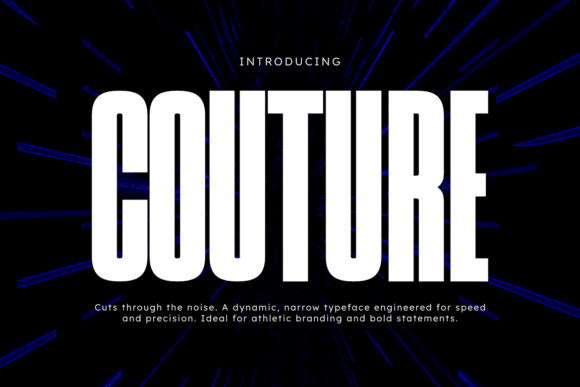
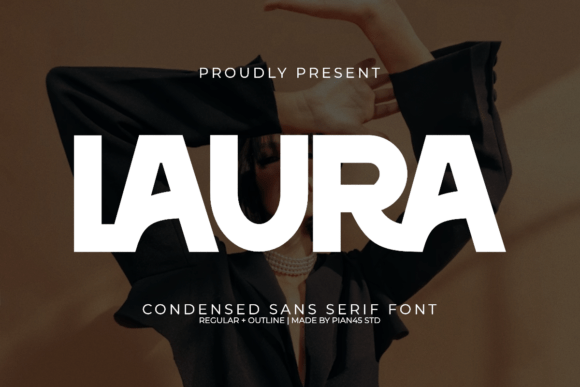
At its core, Laura is defined by its specific structural characteristics. Unlike broader, more robust typefaces, Laura embraces a tall and slender profile. This "ultra condensed" nature means the letters occupy minimal horizontal space while extending vertically, creating a sense of height and grandeur. This architectural choice is deliberate, designed to mimic the elongated silhouettes found in high fashion illustration.
The defining feature of this typeface is its smooth lines. There are no sharp, jarring edges or heavy serifs to interrupt the flow of the eye. Instead, the curves are fluid, and the terminals are clean, resulting in a sophisticated and polished appearance. This cleanliness is what makes it a quintessential sans serif font, removing the small strokes at the ends of letters to focus purely on the structure and shape of the characters.
The Dual Nature: Regular and Outline Styles
Versatility is the hallmark of a great typeface, and Laura delivers this through its two distinct styles. Understanding when to use each style is key to maximizing the font's potential:
- Regular Style: This is the standard weight of the font. It features solid, filled letterforms that provide high legibility and a grounded presence. It is perfect for body text in high-end lookbooks or bold headlines where clarity is paramount.
- Outline Style: The outline version offers a more airy and delicate aesthetic. By removing the fill and leaving only the perimeter of the letter, it creates a sense of weightlessness. This style is incredibly effective for layering, watermarking, or creating a minimalist, modern look that feels light and unobtrusive.
Additionally, Laura includes elegant ligatures. In typography, a ligature occurs when two or more letters are joined into a single glyph. In Laura, these ligatures are not just functional; they are decorative flourishes that add a custom, bespoke quality to the text, making the connection between letters feel intentional and artistic.
The Aesthetic: Blending Vintage and Modern
Why does Laura evoke such a strong sense of luxury branding? The answer lies in its ability to channel the "Golden Age" of advertising and fashion while utilizing modern vector precision. The font carries the DNA of vintage poster art—think of the elongated typography seen in 1920s jazz posters or 1960s fashion advertisements—yet it is rendered with the crispness required for digital screens.
This blend of eras creates a timeless quality. It does not look "dated" in the sense of being old-fashioned, nor does it follow fleeting micro-trends that might look outdated next year. Instead, it occupies a classic space. The vintage fashion influence gives it personality and soul, while the modern execution ensures it fits seamlessly into contemporary digital interfaces and print media.
Practical Applications: Where to Use Laura
The true value of a typeface is measured by its utility. Laura is specifically engineered for projects that require a chic and sophisticated touch. Its practical relevance spans several key industries and creative fields.
1. Luxury Branding and Packaging
For businesses in the cosmetics, jewelry, or high-end apparel sectors, packaging is the first point of contact with the consumer. Laura is ideal for high-end packaging because its slender form suggests exclusivity. When printed on a perfume box or a shopping bag, the font communicates that the product inside is premium. It avoids the bulkiness of standard business fonts, replacing it with a refined air of expense and care.
2. Editorial and Fashion Magazines
In the editorial world, particularly in fashion magazines, typography must be as stylish as the photography it accompanies. Laura works exceptionally well for headlines, pull quotes, and mastheads. Its condensed nature allows editors to fit long titles into tight spaces without sacrificing font size or impact. It complements fashion photography by not competing with the images but rather framing them with elegance.
3. Modern Web Design
In the realm of technology and web design, the trend has moved toward minimalism. Laura fits perfectly into this modern aesthetic. Its smooth lines render beautifully on high-resolution Retina and 4K screens. Designers often use it for hero sections of websites—those large, introductory banners—to make a strong first impression. Because it is a sans serif, it maintains the clean, readable look required for user interface (UI) elements while adding significantly more character than standard system fonts like Arial or Helvetica.
4. Event Invitations and Stationery
For weddings, galas, and formal events, the invitation sets the tone. Laura offers a timeless touch that feels personal and celebratory. Its elegant ligatures make it particularly well-suited for script-heavy designs where flow and continuity are desired, yet it remains legible enough for details like dates and locations.
Significance in Modern Creativity
For general readers and budding designers, understanding fonts like Laura helps build a broader appreciation for visual communication. Typography is not just about reading words; it is about feeling the message before you process the meaning.
When a brand chooses Laura, they are making a statement. They are signaling that they value aesthetics, that they pay attention to details, and that they identify with a lineage of classic design. In a digital world saturated with generic, auto-generated content, using a distinct typeface like Laura is a way to reclaim authenticity and craftsmanship.
Clarifying Common Misunderstandings
A common assumption about condensed or ultra-thin fonts is that they are difficult to read. While this can be true for extremely long blocks of text (body copy), Laura is designed with legibility in mind. Its clean construction ensures that even at smaller sizes, the letterforms remain distinct. However, it is best utilized for display purposes—headlines, logos, and short phrases—where its unique character can shine without causing eye strain.
Another misconception is that "vintage" fonts cannot be used in "modern" tech contexts. Laura disproves this by utilizing a structure that is inherently geometric and clean. It proves that historical inspiration can be distilled into a format that works for apps, websites, and digital magazines just as well as it does for print.
Conclusion
Laura is more than just a sans serif font; it is a comprehensive design solution for projects that demand sophistication. By combining ultra condensed geometry with smooth lines and offering the flexibility of Regular and Outline styles, it empowers creators to produce work that is both beautiful and functional.
Whether you are designing a logo for a new luxury startup, laying out a fashion editorial, or creating a wedding invitation, Laura provides the tools to elevate your work. It reminds us that in the details of our typography lies the power to evoke emotion, build trust, and create a lasting, timeless impression.