Francesca: The Sweet, Simple Typeface for Modern Design
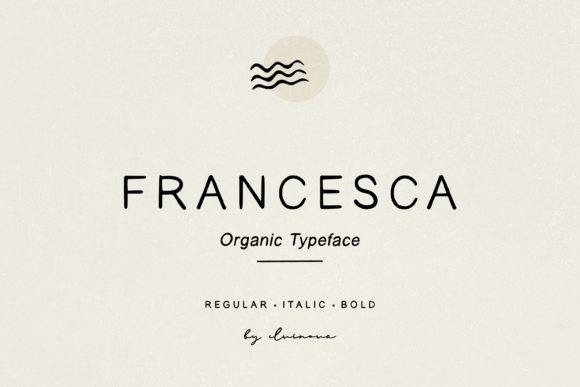
In the ever-evolving landscape of digital communication, the tools we use to convey our messages are undergoing a profound transformation. For decades, the dominant aesthetic was one of sterile precision, particularly in the digital realm. Sans-serif fonts like Helvetica and Arial became the bedrock of corporate identity and user interfaces, prized for their clarity and neutrality. However, a significant counter-trend is now reshaping our visual language, driven by a collective desire for authenticity, warmth, and human connection. This is the context in which a font like Francesca has found its resonance. It represents a deliberate move away from cold uniformity, offering a sweet and simple handwritten sans-serif style that feels both personal and professionally polished.
The Rise of Human-Centric Aesthetics in a Digital World
The shift towards more personable design is not a fleeting fad; it's a response to deeper changes in consumer behavior and technological integration. As our lives become more mediated by screens, there is a growing appreciation for elements that feel organic and hand-crafted. This trend is visible across multiple sectors. In marketing, the hyper-curated, glossy advertisements of the past are giving way to campaigns that feature real people, imperfect textures, and authentic stories. In technology, user experience (UX) design is prioritizing empathy and emotional engagement over pure functional efficiency. The goal is no longer just to be usable, but to be relatable and enjoyable.
Typography is at the forefront of this movement. The choice of a typeface is no longer a mere technical decision about legibility; it is a strategic one about brand personality and audience connection. A font like Francesca, with its friendly and playful style, directly addresses this need. Its soft curves and slightly irregular letterforms mimic the nuance of a human hand, injecting a dose of personality that a geometric sans-serif cannot. For a startup wanting to appear approachable, a freelancer building a personal brand, or a creator developing a unique voice, this type of font becomes a critical asset. It signals openness, creativity, and a focus on the individual.
Practical Applications: Beyond Aesthetics to Functionality
Understanding why a font like Francesca is gaining attention requires looking at its practical utility in modern workflows. Its design is not just stylistic; it's functional in ways that align with contemporary content creation and branding needs.
1. Building Authentic Brand Identities
For entrepreneurs and small businesses, establishing a distinct and trustworthy brand identity is paramount. A font that feels like a friendly note from a colleague can be incredibly powerful. Consider its use in:
- Welcome Emails and Newsletters: Using Francesca for headings or key messages in email campaigns can create an immediate sense of warmth and personal greeting, increasing engagement.
- Social Media Graphics: In a crowded feed, the playful and easy-to-read nature of this font can make quotes, announcements, and calls-to-action stand out while feeling native to a casual platform.
- Packaging and Product Labels: For artisanal goods, boutique products, or lifestyle brands, Francesca on packaging communicates care, craftsmanship, and a personal touch, justifying a premium positioning.
2. Enhancing User Experience in Digital Products
The tech sector is increasingly adopting design systems that feel less robotic. A handwritten sans-serif like Francesca can be strategically deployed to soften the user interface (UI) of apps and websites. For example, it could be used for onboarding instructions, success messages ("Great job!"), or error notifications. This approach reduces cognitive friction and makes the digital experience feel more like a guided conversation than a series of commands. It’s a subtle way to build user loyalty and satisfaction.
3. Revolutionizing Personal and Professional Communication
The expectations for personal and professional documents have also evolved. A standard resume or cover letter in Times New Roman can feel impersonal. Francesca offers a way to add a personal, creative touch without sacrificing professionalism. It’s perfect for:
- Presentations and Pitch Decks: Using it for slide titles or key data points can make a business presentation more engaging and memorable, helping an idea stick in the minds of potential investors or clients.
- Digital Invitations and Cards: This is its most natural habitat. For event invitations, thank-you notes, or digital greetings, Francesca provides the perfect balance of style and legibility, making the recipient feel valued.
- Blog Headers and Pull Quotes: Content creators can use it to break up text-heavy pages, drawing the reader’s eye to important sections and reinforcing their blog’s unique voice.
The Psychology of Playful Typography
The effectiveness of a font like Francesca is rooted in psychological principles. Playful, rounded typography has been shown to evoke positive emotional responses. It is perceived as more friendly, trustworthy, and less authoritative than sharp, angular fonts. This doesn't mean it's less professional; rather, it redefines professionalism in certain contexts as being accessible and human-centric. In a market where consumers are bombarded with information, a brand that can trigger a positive emotional reaction has a significant advantage.
Furthermore, the "sweet and simple" descriptor is key. It avoids the potential pitfalls of overly decorative or complex script fonts, which can become illegible, especially at smaller sizes or on low-resolution screens. Francesca maintains the core legibility of a sans-serif structure while infusing it with personality. This balance is crucial for it to be a practical tool, not just a decorative one. It’s designed for real-world application across both print and digital media.
Integrating Francesca into a Modern Design Workflow
For professionals, the adoption of a new font must integrate seamlessly into existing systems. A font like Francesca is versatile enough to serve as a complementary typeface within a broader typographic system. It works exceptionally well paired with a clean, neutral sans-serif for body text. For instance, using Francesca for headlines and a font like Open Sans or Lato for paragraphs creates a dynamic hierarchy that is both engaging and highly readable.
This approach allows creators and marketers to maintain brand consistency while injecting freshness. It aligns with the modern workflow of creating modular design systems where elements can be mixed and matched across different platforms—from a website to a social media post to a printed brochure—without losing the core brand identity. The font becomes a recognizable signature of the brand's personality.
Looking Forward: The Future of Typographic Expression
The trajectory of design points towards even greater personalization and emotional intelligence. As artificial intelligence handles more of the repetitive, data-driven tasks, the human element in creativity becomes more valuable. Typography is a fundamental tool for expressing that humanity. Fonts like Francesca are not just products; they are enablers of a more connected and expressive form of communication.
The continued growth of the creator economy and the emphasis on personal branding will only increase the demand for typefaces that help individuals and small teams stand out. The ability to project a unique voice quickly and effectively is a competitive necessity. A simple handwritten sans-serif provides a direct, efficient, and powerful way to achieve that. It democratizes design, allowing those without extensive typographic training to make sophisticated, personality-driven choices.
In conclusion, the attention given to Francesca is a microcosm of a larger shift. It reflects a market that values authenticity, a creative industry that prioritizes emotional engagement, and a set of consumer expectations that rewards warmth and personality. It is a tool perfectly suited for our time—offering the clarity we need with the humanity we crave. For the professional, creator, or entrepreneur, it represents an opportunity to communicate not just a message, but a feeling, fostering a deeper and more meaningful connection with their audience.