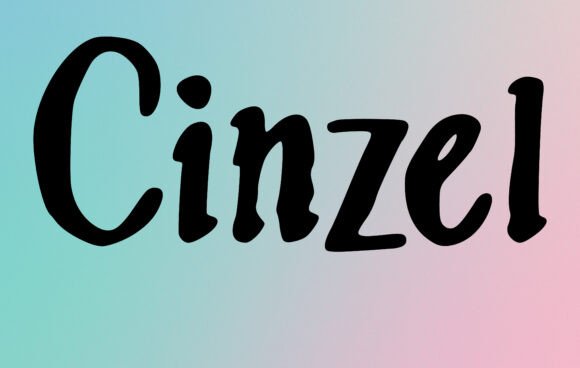
Cinzel: A Classical Typeface for Modern Professional Projects
When selecting a typeface for a project that demands authority, elegance, and timeless appeal, the choice often narrows quickly. In the landscape of digital design, where trends shift rapidly, finding a font that remains relevant across different media and eras is a significant advantage. Cinzel is a typeface that consistently appears in discussions about high-quality design assets. It is not a fleeting trend but a carefully crafted revival of classical proportions, designed to function effectively in contemporary contexts. This article provides a practical evaluation of Cinzel, examining its characteristics, ideal applications, and potential limitations to help you determine if it aligns with your creative and professional needs.
Understanding Cinzel's Design and Purpose
Cinzel is a serif typeface that draws direct inspiration from the first-century Roman inscriptions found on monuments like the Trajan Column. However, it is not a mere historical replica. Its designer, Natanael Gama, refined these classical forms with modern sensibilities, resulting in a font that is both dignified and highly functional. The letterforms are characterized by their balanced proportions, moderate contrast between thick and thin strokes, and distinctive, sharp serifs. This design foundation gives Cinzel an inherent sense of stability and importance.
The primary purpose of Cinzel is to convey a message with clarity and gravitas. It excels in situations where text needs to be authoritative without being aggressive, and elegant without being overly decorative. Its design philosophy prioritizes legibility and visual harmony, making it a reliable workhorse for headings and short blocks of text where impact is crucial. The font family includes multiple weights—Regular, Bold, and Black—along with corresponding italic styles, providing a versatile toolkit for establishing visual hierarchy within a single typographic system.
Key Strengths in Practical Application
The true value of any typeface is measured by its performance in real-world projects. Cinzel demonstrates several strengths that make it a compelling choice for a wide range of applications.
- Exceptional Legibility at Display Sizes: Cinzel's clear, open letterforms and sturdy serifs ensure excellent readability when used for headlines, titles, and banners. The characters are distinct and avoid the visual ambiguity that can plague more stylized fonts. This makes it particularly effective for magazine covers, website hero sections, and presentation slides where the first impression is critical.
- Timeless Professional Aesthetic: The classical roots of Cinzel allow it to project a sense of tradition, trust, and quality. This makes it an excellent fit for branding in sectors like law, finance, architecture, luxury goods, and academia. A law firm's logo or a university's promotional materials set in Cinzel immediately communicates seriousness and established credibility.
- Strong Hierarchical Consistency: The well-designed weight variations (Regular, Bold, Black) work cohesively together. A designer can use Cinzel Black for a main headline and Cinzel Bold for subheadings, creating a clear and visually appealing hierarchy without introducing another font family. This consistency strengthens brand identity and improves the overall cohesion of a design.
- Cross-Media Versatility: While it shines in digital contexts, Cinzel transitions effectively to print. It maintains its clarity and character when used on business cards, brochures, or book covers. Its formal yet accessible nature also makes it suitable for special event materials, such as wedding invitations or award certificates, where a touch of classic elegance is desired.
Analyzing Performance and Usability
In terms of technical performance, Cinzel is a robust and reliable typeface. As a free, open-source font available through Google Fonts, it is widely accessible and easy to implement in web projects, desktop publishing software, and graphic design applications. The files are optimized for web use, contributing to reasonable page load times when properly implemented.
Its usability, however, comes with important considerations. Cinzel is not a universal solution for all text. Its classical proportions and high stroke contrast, while beautiful, can lead to reduced legibility when used for long paragraphs of body text, especially at smaller sizes on screen. The detailed serifs can create visual noise, causing eye strain during extended reading. Therefore, its strength is best leveraged for short-form, high-impact text. Pairing Cinzel with a clean, highly legible sans-serif font like Open Sans, Roboto, or Lato for body copy is a standard and effective practice. This pairing creates a pleasing contrast and ensures the overall design remains both impactful and readable.
Who Benefits Most from Using Cinzel?
Cinzel is a valuable asset for specific users and scenarios. Professionals and creators who will find it most beneficial include:
- Brand Identity Designers and Marketers: Those building visual identities for brands that want to convey heritage, expertise, and sophistication. It is particularly useful for logos, brand guidelines, and key marketing headlines.
- Editorial and Publishing Professionals: Magazine art directors, book cover designers, and bloggers can use Cinzel for article titles, chapter headings, and pull quotes to add a layer of classic refinement to their layouts.
- Event Planners and Stationery Designers: For creating elegant invitations, programs, menus, and signage for weddings, galas, or formal corporate events.
- Educators and Academic Institutions: For presentation slides, certificates, diplomas, and publications where a tone of scholarly authority is appropriate.
- Web Designers and UI Specialists: To create striking headers and navigation elements for websites in luxury, legal, or corporate sectors, provided it is paired with a suitable body font.
Practical Recommendations and Limitations
To use Cinzel effectively, consider these practical recommendations. First, always test it in context. View your design at the intended size and on the target medium (e.g., a mobile screen vs. a printed brochure) to ensure the desired effect is achieved. Second, be mindful of spacing. Cinzel often benefits from slightly increased letter-spacing (tracking) when used in all-caps settings to enhance readability and elegance. Third, use its weight variations strategically to build a clear typographic hierarchy.
Acknowledging its limitations is just as important as recognizing its strengths. As noted, Cinzel is not optimized for body text. Its formal tone may also feel out of place in contexts requiring a casual, playful, or ultra-modern aesthetic. Overusing it—applying it to every text element on a page—can diminish its impact and create a monotonous, heavy-handed design. It is a tool for accentuation and statement-making, not for filling space.
In conclusion, Cinzel is a thoughtfully designed typeface that fulfills its purpose with distinction. It is not a font that tries to be everything to everyone. Instead, it offers a specific, high-quality solution for projects that require a touch of classical authority and refined elegance. For the designer, marketer, or entrepreneur seeking a reliable serif for headlines and branding that won't fall out of fashion, Cinzel represents a sound, practical, and visually effective investment. Its value lies in its focused utility and its ability to elevate a design with timeless sophistication.