Gold Glitter: Mastering the Art of Typographic Elegance
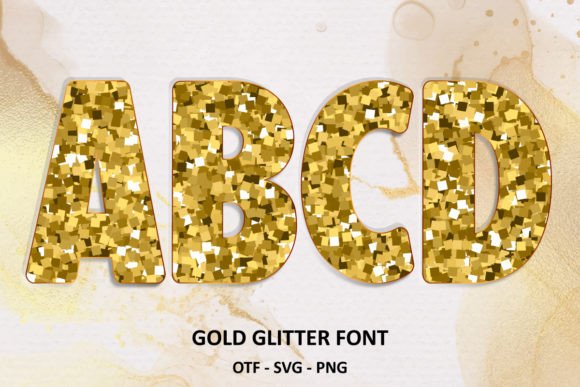
In the digital age, the distinction between a good design and a memorable one often lies in the details. While layout and imagery play significant roles, typography remains the voice of the visual world. Enter the Gold Glitter font, a typeface that does more than just convey a message—it encapsulates a mood. Glitter is inherently one of the most awe-provoking visual textures available. Its mesmerizing shine twinkles as if a spell has been cast upon it, capable of brightening up each of your designs with an immediate sense of luxury and celebration.
However, utilizing such a specific aesthetic requires more than just installation; it requires an understanding of modern design trends, technical compatibility, and the psychological impact of color and texture. This article explores the evolution of textured typography, the practical applications of the Gold Glitter font, and how to integrate this asset seamlessly into your creative workflow.
The Evolution of Textured Typography
For decades, graphic design was constrained by the limitations of printing technology and low-resolution screens. Typography was largely flat, relying on serif and sans-serif styles to convey hierarchy. As screen resolutions improved and design software became more sophisticated, the appetite for dimensionality grew. We moved from flat design to skeuomorphism, and eventually settled into a modern era where gradients, shadows, and textures are used to add depth without clutter.
The introduction of textured fonts like Gold Glitter represents a shift in user expectations. Audiences today are bombarded with content; standing out requires a "thumb-stopping" visual element. Gold, historically associated with value, success, and prestige, combined with the playful and festive nature of glitter, creates a font that speaks to both luxury and joy. This is not merely a trend; it is a response to the human desire for sensory-rich digital experiences.
Practical Applications for Modern Creators
The versatility of the Gold Glitter font allows it to bridge the gap between professional branding and personal hobby projects. Its application is vast, provided it is used with intent.
Branding and Marketing Materials
For entrepreneurs and business owners, a logo is the cornerstone of brand identity. A font like Gold Glitter is perfect for businesses in the event planning, beauty, fashion, or luxury goods sectors. It immediately signals high value. When used on posters or digital flyers, it draws the eye to the headline, ensuring that the core message is seen first. However, designers should heed the principle of contrast; pairing a glitter font with a clean, minimalist sans-serif for body text ensures readability while maintaining a classy touch.
Digital Presence and Web Design
On websites, typography guides the user journey. While body text must remain functional, headers and call-to-action (CTA) buttons benefit from stylistic flourishes. Imagine a landing page for a New Year's Eve gala or a boutique sale; the Gold Glitter font can be used for the headline to set the celebratory tone. It fits perfectly into the current "maximalist" revival in web design, where bold, expressive elements are reclaiming space from the stark minimalism of the past.
Physical Products and Merchandise
The application extends beyond the screen into physical products. The prompt highlights that this font is perfect for T-shirts, logos, and posters. For print-on-demand businesses or Etsy shop owners, the ability to create eye-catching merchandise is crucial. The Gold Glitter aesthetic translates well to apparel, tote bags, and mugs, offering a product that feels premium and fun. It appeals to a wide demographic, from young adults looking for trendy statement pieces to gift-givers seeking something festive.
Navigating Technical Compatibility: The Modern Workflow
One of the most critical aspects of using specialized fonts today is understanding file compatibility. The landscape of design tools is diverse, ranging from professional suites like Adobe Illustrator to accessible platforms like Cricut Design Space. The Gold Glitter font has been engineered with these varying needs in mind, but users must understand the distinction between its versions to avoid workflow bottlenecks.
The Black Version: Precision and Versatility
The black version of the Gold Glitter font is designed for maximum compatibility. It functions as a standard vector font, making it fully compatible with Cricut Design Space and other cutting machines. This is essential for crafters and hobbyists who create physical items like vinyl decals, stencils, or iron-on transfers. When using this version, the "glitter" effect is achieved through the shape of the letters, allowing the material you cut—whether it is actual glitter vinyl or cardstock—to define the final look. It offers the elegance of the typeface without the limitations of color data.
The Color Version: A Specialized Tool
For those seeking the actual visual texture of gold sparkle within the font itself, the color version is the answer. However, this version comes with specific technical requirements. It is compatible with design programs that support OpenType SVG (Scalable Vector Graphics) font technology, such as Inkscape, Photoshop, and Illustrator.
It is vital to note that the OTF and TTF files of the color version are not compatible with Cricut. This is a common pain point for creators. Cutting machines generally require single-layer, single-color vectors to function. They cannot interpret the complex pixel data embedded in a color font file to create a cut path. Therefore, the color version of Gold Glitter is best reserved for digital designs (social media graphics, web headers) or print projects (sublimation, digital printing) where the visual texture is rendered by a printer, not a blade.
Trends and the "Classy Touch"
Why are we seeing a resurgence of gold and glitter in professional spaces? It aligns with the broader cultural movement towards "affordable luxury" and self-expression. In a post-pandemic world, there is a collective desire to celebrate, to add sparkle to the mundane, and to make bold statements. The Gold Glitter font allows creators to tap into this zeitgeist. It transforms a simple invitation into a ticket to an event, and a standard blog header into a magazine cover.
Furthermore, the rise of social media platforms like Instagram and Pinterest has made "aesthetic" a currency. Visuals must be curated and polished. A font that provides a "classy touch" helps creators meet the high visual standards of these platforms without needing advanced graphic design skills. It is a shortcut to sophistication.
Recommendations for Best Results
To truly love the results of your projects using Gold Glitter, consider the following practical steps:
- Contrast is Key: Because the glitter texture is visually busy, place it against a solid, dark background (like deep navy, black, or emerald green) to make the gold pop. Avoid placing it over complex photographs where the text may get lost.
- Scale Matters: Textured fonts often lose their definition at very small sizes. Use Gold Glitter for headers, titles, and large display text. For smaller sub-headers or body copy, switch to a clean serif or sans-serif font to maintain readability.
- Check Your Software: Before starting a large project, verify which version of the font you are using. If you are cutting vinyl, ensure you have loaded the black vector version. If you are designing a digital flyer in Inkscape, you can utilize the full color version for that authentic sparkle effect.
- Spacing: Glitter fonts often benefit from slightly increased letter spacing (tracking). This allows the texture of each letter to breathe and prevents the design from looking muddy.
Ultimately, the Gold Glitter