Autumn in Philadelphia: A Font Duo That Feels Like a Warm Hug for Your Designs
There's a particular kind of beauty in the fall—the way golden light filters through amber leaves, the cozy glow of a neighborhood café, the handwritten note tucked into a bag of freshly roasted coffee. Capturing that feeling in a design project isn't easy, but that's exactly what the Autumn in Philadelphia font duo was made for. It's not just a typeface; it's a mood, a texture, a way of telling stories through letterforms that feel genuinely handcrafted.
What Makes This Font Duo Special
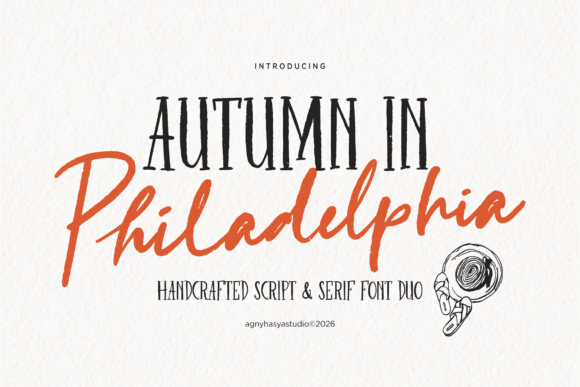
At its core, Autumn in Philadelphia pairs two distinct styles: an expressive, organic handwritten script and a quirky, rustic vintage serif. The script carries all the warmth of a personal letter—fluid, imperfect, alive. The serif brings structure and nostalgia, with tall, slightly irregular letterforms that feel like they belong on an old general store sign or a weathered book cover. Together, they create a contrast that's both elegant and approachable.
What sets this duo apart from hundreds of other font pairings is its authenticity. The strokes don't feel digitized or overly polished. They feel like someone actually sat down with a pen or a brush and wrote something real. That quality matters when you're trying to connect with an audience on a human level.
Bringing Café and Restaurant Branding to Life
Imagine you're opening a small-batch bakery or a neighborhood coffee shop. You want your brand to feel welcoming, artisan, and rooted in craft—not corporate or sterile. Autumn in Philadelphia works beautifully here. Use the script for your logo or menu headers to give that hand-drawn, personal feel. Pair it with the serif for body text on menus, signage, or loyalty cards to keep everything readable while maintaining that vintage warmth.
A coffee roaster might use the serif on their packaging labels for origin information and tasting notes, while the script highlights the blend name. The result? Packaging that feels curated, not mass-produced. Customers notice that difference—it's the kind of detail that makes someone choose your bag of beans off the shelf.
Wedding Stationery and Event Invitations
Fall weddings have a devoted following for a reason. The colors, the textures, the sense of intimacy—it all lends itself to stationery that feels personal. Autumn in Philadelphia is a natural fit for save-the-dates, invitations, and day-of materials. The script handles names, monograms, and romantic flourishes with grace, while the serif keeps details like dates, venues, and RSVP information clean and legible.
Event planners working on harvest festivals, Thanksgiving gatherings, or autumn-themed markets can also lean on this duo. Printed flyers, social media graphics, and table cards all benefit from typefaces that evoke warmth without feeling cliché. It's seasonal without being predictable.
Packaging, Labels, and Handmade Merchandise
If you sell handmade goods—candles, jams, soaps, knitted scarves—your packaging is part of the product. It communicates care, quality, and personality before anyone opens the box. Autumn in Philadelphia gives small-batch producers a way to design labels and tags that look professional without losing the handmade spirit.
Consider a candle maker labeling a "Fireside Amber" scent. The serif typeface on the ingredient list and burn instructions provides clarity. The script spelling out the scent name adds character and warmth. It tells the customer: someone made this with intention. That emotional layer is hard to manufacture with generic, overused fonts.
Editorial Design and Blogging
Bloggers and content creators—especially those in lifestyle, food, travel, or DIY niches—often struggle to find typography that feels distinctive without being distracting. Autumn in Philadelphia strikes that balance. Use the script for pull quotes, featured image overlays, or section headers to add visual interest. The serif works well for longer text blocks, subheadings, or sidebar elements.
A food blogger writing about apple picking or soup season could use this font duo across featured images, printable recipe cards, and email newsletters to create a cohesive visual identity. It signals to readers: this is a space with personality, where someone actually cares about the details.
Digital Projects and Social Media
In the fast-scroll world of Instagram and Pinterest, typography has about two seconds to make an impression. The organic, story-driven quality of Autumn in Philadelphia helps graphics stand out without resorting to loud colors or gimmicks. Quote graphics, promotional banners, story templates, and carousel slides all benefit from fonts that feel handcrafted and warm.
Small business owners running seasonal promotions—think fall collections, back-to-school sales, or holiday pre-orders—can use this duo to create marketing materials that feel cohesive and inviting. It works across digital platforms because it's readable at various sizes and carries emotional weight even in small doses.
Things to Consider Before Using Autumn in Philadelphia
No font is perfect for every situation, and it's worth thinking through a few practical points before committing.
- Readability at small sizes: Like most handwritten scripts, the script component of this duo is best suited for headlines, logos, and display use. For body text or fine print, lean on the serif or pair with a clean sans-serif.
- Tone alignment: This font duo radiates warmth, nostalgia, and artisan sensibility. If your brand or project leans ultra-modern, minimalist, or corporate, it may feel out of place. It shines in contexts where handcraft, storytelling, and approachability matter.
- Licensing and usage: Always check the license terms before purchasing. If you're using it for commercial products—merchandise, client work, packaging—make sure the license covers that use. Most font designers offer clear tiers for personal versus commercial projects.
- Pairing with other typefaces: While the duo works beautifully together, you may occasionally need a third font for utility text like disclaimers, URLs, or technical specifications. A simple, neutral sans-serif typically complements without competing.
Why Authenticity in Typography Matters
We live in a world saturated with templated design. Stock photos, recycled layouts, the same ten Google Fonts appearing on every website. When something feels genuinely crafted—when a font carries the texture of a real hand moving across paper—people respond to it, even if they can't articulate why.
Autumn in Philadelphia taps into that response. It doesn't try to be trendy or edgy. It leans into timeless qualities: warmth, character, a sense of place. For creators, entrepreneurs, and anyone building something with care, that kind of authenticity isn't just aesthetic—it's strategic. It builds trust, creates emotional connection, and makes your work memorable in a landscape of sameness.
Whether you're designing a wedding suite for a couple who loves the countryside, branding a small-batch product line, or building a blog that feels like a conversation with a friend, this font duo gives you the tools to communicate with soul. And in a world that often feels rushed and impersonal, that's worth something real.